
What Makes Breathwork Different from Meditation?
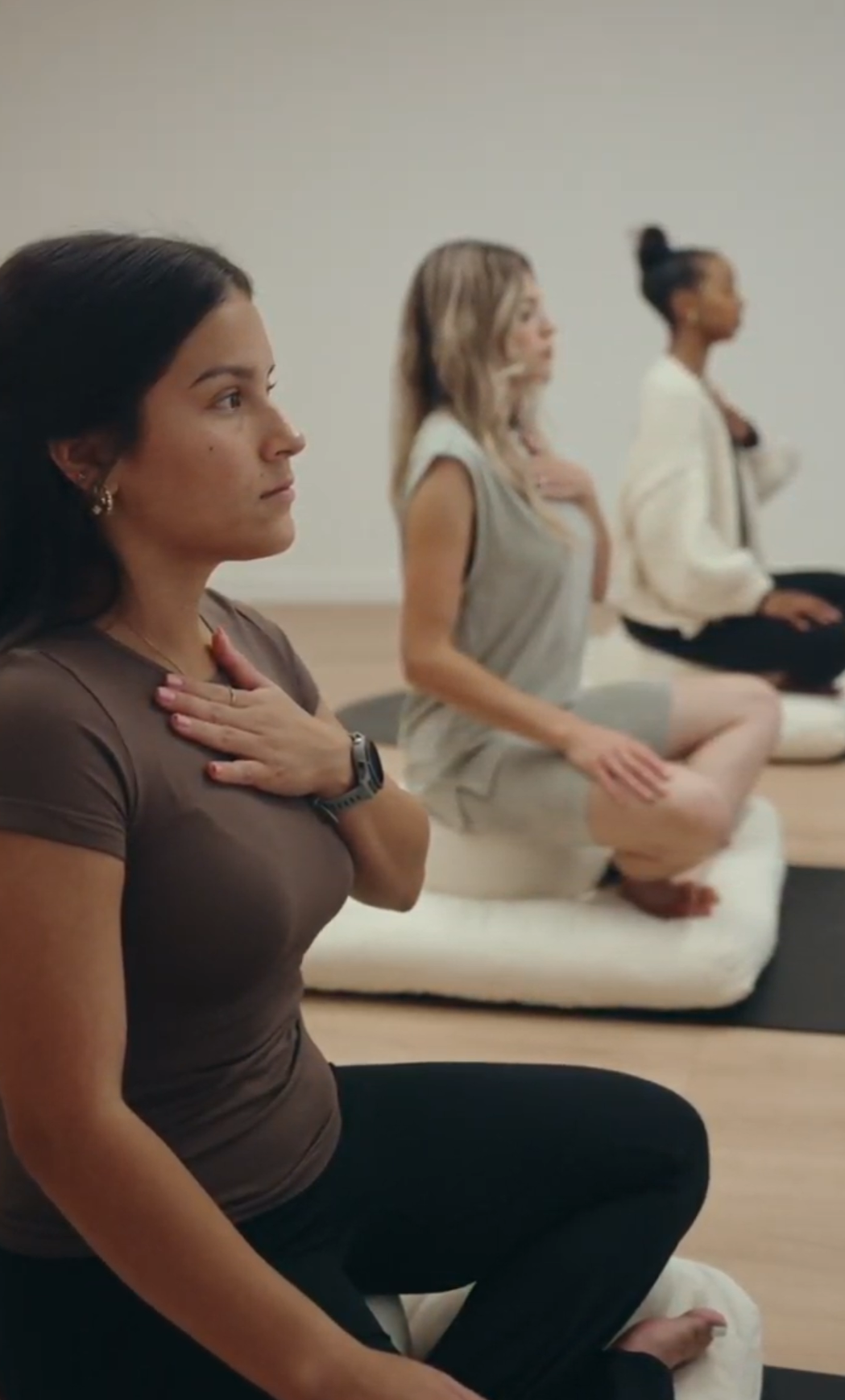
Breathwork at Rise Mindful Healing
If you've spent any time exploring wellness, stress relief, or personal growth, you've probably heard the terms meditation and breathwork used together. While they share some similarities, they are actually distinct practices that work in different ways and can create very different experiences.
At Rise Mindful Healing, we often hear questions like:
"Isn't breathwork just meditation?"
"Do I need to know how to meditate before trying breathwork?"
"Which one is better for stress relief?"
The answer is that both practices can be incredibly valuable, but they each offer unique benefits. Understanding the difference can help you choose the right tool for what you need most.
What Is Meditation?
Meditation is the practice of intentionally focusing your attention. Depending on the style, this may involve observing your thoughts, concentrating on your breath, repeating a mantra, or cultivating awareness of the present moment.
The goal isn't to stop thinking. Instead, meditation teaches us to notice thoughts, emotions, and sensations without becoming completely absorbed by them.
Over time, meditation can help strengthen attention, improve emotional regulation, reduce stress, and create a greater sense of calm and clarity.
For many people, meditation feels like a practice of stillness and observation.
You sit.
You notice.
You return your attention to the present moment.
What Is Breathwork?
Breathwork uses intentional breathing patterns to influence the body and nervous system.
Unlike meditation, where the breath is often simply observed, breathwork actively changes the rhythm, depth, or pace of breathing to create a specific effect.
Different breathing techniques can help increase energy, reduce stress, improve focus, promote relaxation, or create deeper emotional awareness.
In a guided breathwork session, the breath becomes the primary tool for creating change.
Rather than observing your experience, you are actively participating in it.
For many people, breathwork feels more experiential and engaging than traditional meditation.
The Science Behind Breathwork
One of the reasons breathwork has become increasingly popular is that it offers a direct connection to the nervous system.
When we experience stress, the body's sympathetic nervous system activates what is commonly known as the "fight-or-flight" response. Heart rate increases, muscles tighten, and the body prepares to respond to a perceived threat.
Intentional breathing practices can help activate the parasympathetic nervous system, often referred to as the "rest-and-recover" response.
Research suggests that controlled breathing may help:
• Reduce feelings of stress and anxiety
• Lower heart rate
• Improve emotional regulation
• Support better sleep
• Enhance focus and concentration
• Increase feelings of calm and wellbeing
Because breathing is one of the few bodily functions we can consciously control, it provides a powerful pathway for influencing how we feel physically and emotionally.
The Science Behind Meditation
Meditation has also been extensively studied for its effects on both the mind and body.
Regular meditation practice has been associated with:
• Reduced stress
• Improved attention and focus
• Greater emotional resilience
• Increased self-awareness
• Improved sleep quality
• Better overall mental wellbeing
Meditation helps train the mind to respond differently to stress rather than automatically reacting to it.
Over time, many practitioners report feeling less overwhelmed by daily challenges and more capable of navigating difficult situations with greater ease.
Which One Is Better?
The truth is that neither practice is better.
They simply serve different purposes.
Meditation often begins with awareness.
Breathwork often begins with regulation.
Meditation teaches us to observe our internal experience.
Breathwork gives us a tool to influence that experience.
Some people find meditation difficult because their minds feel busy or restless. In these cases, breathwork can provide a more accessible starting point because it gives the mind something active to focus on.
Others may find that meditation offers the stillness and reflection they need.
Many people discover that the two practices complement one another beautifully.
Breathwork and Meditation at Rise
At Rise Mindful Healing, we view both practices as valuable tools for supporting nervous system health, stress management, and overall wellbeing.
Whether you're feeling overwhelmed, mentally exhausted, emotionally drained, or simply looking for a way to reconnect with yourself, both breathwork and meditation can offer meaningful support.
The best practice is often the one you'll actually do consistently.
If traditional meditation has felt challenging in the past, breathwork may be a wonderful place to begin. If you already have a meditation practice, breathwork can provide another tool for managing stress and supporting recovery.
Ready to Experience Breathwork for Yourself?
Sometimes the most effective way to understand breathwork is simply to experience it.
Our guided breathwork sessions provide a supportive environment to explore intentional breathing techniques while learning practical tools you can bring into your everyday life.
Whether you're completely new to breathwork or looking to deepen an existing practice, we'd love to welcome you.
View our upcoming schedule and reserve your spot through the Rise app.